
 Planning
 Activation
 Engagement
 AI & Insights
 General
 Insights
.png?width=20&height=21&name=Frame%20(1).png) About
About

.png)
Imagine you’re the head of clin ops at a fledging biotech. Today you’re working with one molecule and one study, envisioning the day you'll run multiple studies worldwide across many therapeutic areas. How do you invest wisely in your clinical operations so that you can successfully execute today’s study while also scaling for tomorrow and supporting biotech growth?
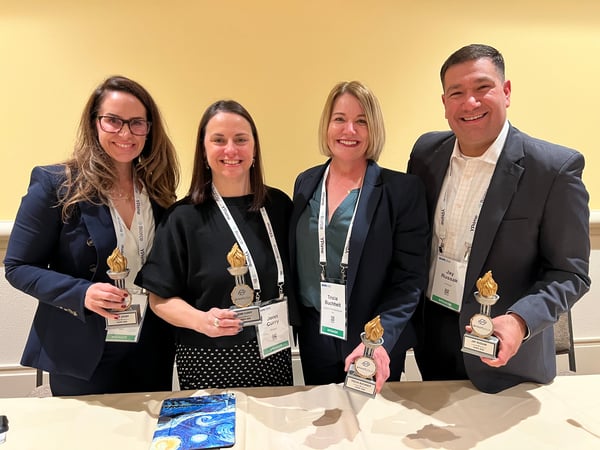
On our Winter Games Torch Relay panel at SCOPE 2026, clin ops leaders from four pharma companies large and small shared strategies for “carrying the torch” from a single study to an enterprise portfolio.
First, let’s introduce the torchbearers on our panel:
- Jay Russak, Invivyd
- Tricia Buchheit, Alnylam Therapeutics
- Jenn Curry, Biogen
- Madi Geday, Teva Pharmaceuticals
Now let’s look at what they say is crucial to scaling clinical operations at every stage. Starting with a single phase 2 study, they explained what's highest priority as new studies, locations, and therapeutic areas are added to a sponsor’s portfolio.
Single phase 2 study
A small biotech running a single phase 2 study will benefit the most from accurate enrollment forecasting and using those forecasts to outsource wisely.
At this stage, accurate forecasting is essential, requiring more than straight line estimates based on more than a patients per site/per month figure. How many sites are needed for the study? What are the regulatory timelines? What is the site ready curve? What about screen failures?
However, with such a small team, you’ll need to outsource quite a bit. Different CROs may provide wildly differing forecasts, without using the right assumptions. It’s important to have a tool that shows the probability of success with different variables, accounting for things like staggered site setup, variable enrollment rates, regulatory timelines, screen failures, and unexpected roadblocks.
It’s important to get the base case and startup set up correctly before handing things off.
Three phase 3 studies (two global)
With a few more studies and multiple countries in the mix, reliable forecasting remains a high priority. But now scaling patient recruitment efforts becomes even more critical. This means:
- Streamlining technology implementation
- Allowing for more flexibility in outreach tactics
- Gathering the right metrics and showing ROI
Here it’s important to recognize the unique needs of different indications, regions, and sites. You’ll need the ability to be flexible, while establishing standardized processes. Ideally, you can offer flexibility in recruitment strategies and tactics, but maintain a uniform recruitment journey that scales quickly and affordably while providing ROI on everything.
Five studies (three global), two TAs
Now you’re cooking...you’ve added a new therapeutic area, and you’re running five studies while expanding even more across the globe. You’re also working with many more sites.
At this point, you may have already worked with multiple recruitment vendors, with the desire to expand. This creates inefficiencies for both you as the sponsor and for your sites. It's time to invest in tech that offers a scalable trial finder for your enterprise, and streamlines individual study recruitment, while maintaining visibility and control.
Streamlining your site activation and training is also mission critical now. With many different trials going on and multiple TAs, it’s necessary to offer well-organized, non-redundant, role-based training. Document management will also be more difficult at this stage—automated TMF is more important now than ever.
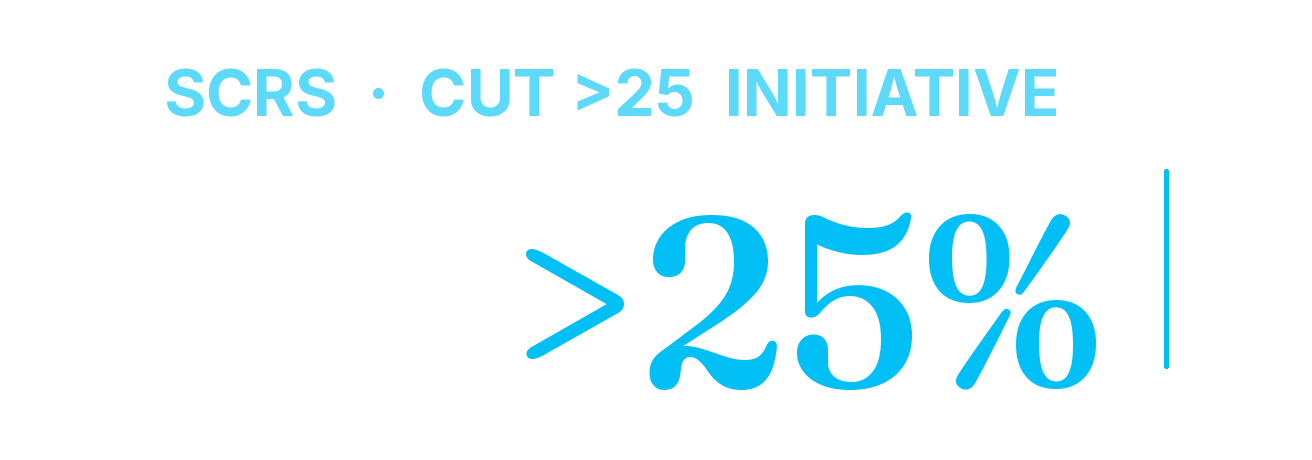
As a member of the SCRS Cut25 Training Initiative, ProofPilot offers the most site friendly training technology, incorporating all of the Cut 25 principles and recommendations.
Enterprise portfolio
You’ve made it to the big leagues: multiple TAs, thousands of sites, and a whole lot of chaos. But it’s controllable chaos!
To be successful, you need to control costs and manage accountability across many more capabilities. This requires a planning, visibility, and control framework that enables all studies to succeed consistently and predictably and drive clinical operations growth.
Best practices for this stage include:
- Establishing clear roles and responsibilities
- Employing adaptive, real-time enrollment forecasting
- Swapping out spreadsheets for automated tools and processes
- Prioritizing the most efficient site training model
- Optimizing recruitment with an enterprise trial finder, registries, and self-serve study-level technology
- Offering a consistent site experience to simplify complex operations at the site
Ready for a smarter way to scale?
Whether you’re running one study or 20, with the right tech and tactics in place, you’ll be able to execute simple, predictable trials while maximizing your ROI.
No matter where you are on the route toward an enterprise portfolio, let us help you set up your operations to scale successfully. Schedule a demo today.
Q&A
Why is accurate enrollment forecasting critical for a clinical trial, and what should it include?
Small teams must make precise resourcing and outsourcing decisions, forecasts need to go beyond simple “patients per site per month.” Robust models should account for site counts, regulatory timelines, staggered site setup, site readiness curves, variable enrollment rates, screen failures, and unexpected roadblocks. This level of detail helps estimate probabilities of success under different scenarios and keeps timelines realistic.
How should a small biotech approach outsourcing at the single-study stage?
Set a solid base case and startup plan before handoff, then hold vendors to those assumptions. Since CRO forecasts can vary widely, use a tool that quantifies probability of success across key variables (site activation cadence, enrollment variability, regulatory lags, screen failure rates). This lets you outsource wisely, compare vendor proposals on like-for-like assumptions, and maintain control despite a lean internal team.
When expanding to multiple global studies, how do you scale recruitment without losing control?
Set a solid base case and startup plan before handoff, then hold vendors to those assumptions. Since CRO forecasts can vary widely, use a tool that quantifies probability of success across key variables (site activation cadence, enrollment variability, regulatory lags, screen failure rates). This lets you outsource wisely, compare vendor proposals on like-for-like assumptions, and maintain control despite a lean internal team.
When expanding to multiple global studies, how do you scale recruitment without losing control?
Reduce inefficiencies from multiple vendors and studies by investing in tech that provides an enterprise trial finder and centralized visibility/control over study-level recruitment. Simultaneously, streamline site activation and deliver role-based, non-redundant training. Strengthen document management with automated TMF to keep quality high as study volume, geographies, and TAs expand.
At the enterprise portfolio stage, what best practices keep growth controllable and cost-effective?
Implement a planning, visibility, and control framework built on: clear roles and responsibilities; adaptive, real-time enrollment forecasting; automated tools and processes (not spreadsheets); the most efficient site training model; optimized recruitment via an enterprise trial finder, registries, and self-serve study-level tech; and a consistent site experience that simplifies complex operations at scale.




%201.svg)

