
 Planning
 Activation
 Engagement
 AI & Insights
 General
 Insights

.png?width=20&height=21&name=Frame%20(1).png) About
About

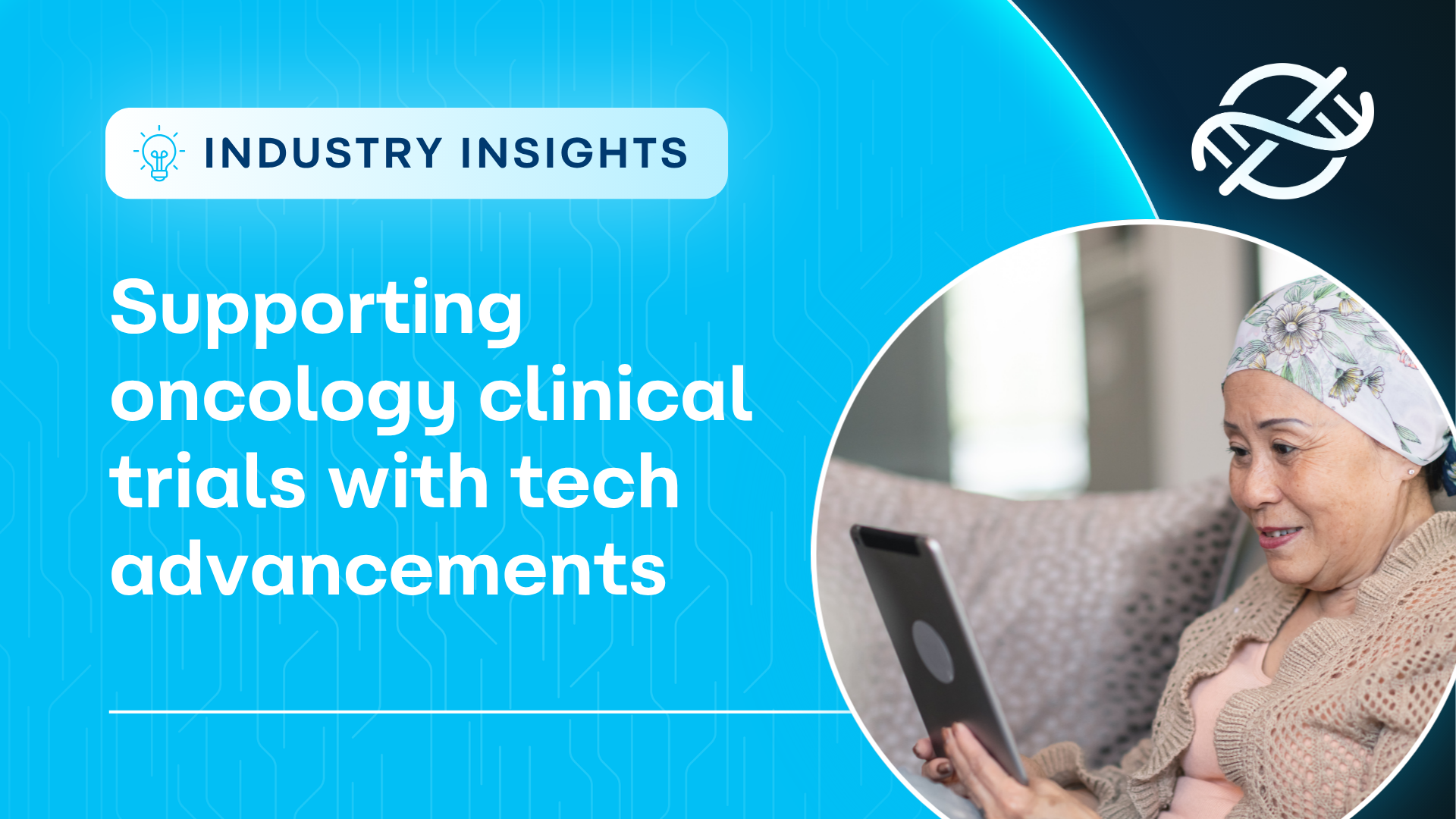
Oncology research is in a league of its own. Cancer encompasses more than 200 different types, each presenting unique challenges in clinical research. Technology is rapidly improving oncology trials for sponsors, sites, and patients alike. Below, we outline key challenges in oncology trial recruitment and execution, and how technology can help overcome them.
Article Summary
-
Oncology clinical trials face unique recruitment and execution hurdles due to cancer complexity, comorbidities, and limited trial awareness.
-
Technology such as intelligent pre-screeners, trial matching, and enhanced trial websites can improve enrollment by finding eligible patients and increasing visibility.
- Because oncology studies experience high rates of protocol deviations, tools like ProofPilot’s Engagement suite that centralize resources and streamline real-time communications can boost education, engagement, compliance, and outcomes.
-
Leveraging these solutions can accelerate research and deliver new treatments faster amid rising cancer incidence.
Oncology Recruitment and Enrollment: No Easy Feat
Key Barriers to Enrollment
Recruitment and enrollment for oncology trials can be especially tricky. Cancer's complexity drives highly specific, often stringent eligibility criteria across more than 200 cancer types. And comorbidities hinder eligibility and participation: a JAMA Oncology study found that patients with cancer were more likely to have at least one comorbidity than patients without cancer.
Technology to Improve Eligibility Matching
Intelligent pre-screeners and trial-matching tools can streamline identification of eligible participants for complex protocols.
Addressing the Awareness Gap
Lack of trial awareness adds an extra layer of difficulty to recruitment in oncology—but it doesn’t have to. ProofPilot’s Clinical Trial Websites features help to enhance trial visibility.
Study Outcomes in Oncology
High Rates of Protocol Deviations
According to a Tufts study, oncology trials have the highest relative mean number of protocol deviations, affecting more than 40% of patients enrolled in each trial. Protocol deviations negatively affect outcomes and safety, cause delays, and compromise compliance.
Why Deviations Occur
Complex treatment regimens (e.g. chemotherapy, radiation therapy, surgery) and intensive monitoring increase the risk of deviations in oncology clinical trials. Significant side effects underscore the importance of clear instructions, reminders, and support.
How ProofPilot's Engagement Tools Help
ProofPilot's Engagement suite centralizes study resources, organizes real-time communications, and integrates seamlessly with key workflows. These capabilities reduce protocol deviations, improve site and patient engagement, and strengthen compliance—ultimately enhancing enrollment, execution, and outcomes.
The Urgency for Tech-Driven Solutions
With more than 2 million new cancer cases in the United States in 2025, accelerating oncology research is critical. Technology-enabled tools can speed enrollment, reduce operational friction, and bring new treatments to patients faster.
Q&A
What makes recruitment and enrollment uniquely difficult in oncology trials?
Cancer’s complexity—spanning more than 200 types—drives highly specific, often stringent eligibility criteria. Enrollment is further hindered by comorbidities; a JAMA Oncology study found patients with cancer are more likely to have at least one comorbidity than those without cancer. Limited trial awareness also reduces the pool of eligible, interested participants, making it harder to reach the right patients at the right time.
Which technologies can improve oncology trial recruitment and visibility?
Intelligent pre-screeners and trial-matching tools help identify eligible participants for complex protocols, speeding up and improving the accuracy of patient selection. ProofPilot’s clinical trial websites enhance study visibility, addressing the awareness gap so more patients and providers can discover and engage with active trials.
Why are protocol deviations so common in oncology studies, and what's the impact?
According to a Tufts study, oncology trials have the highest relative mean number of protocol deviations, affecting more than 40% of patients in each trial. Complex treatment regimens and intensive monitoring increase the risk of deviations, which can negatively affect outcomes and safety, cause delays, and compromise compliance.
Why is adopting tech-driven solutions urgent now for oncology clinical trials?
With more than 2 million new cancer cases expected in the United States in 2026, accelerating research is critical. Leveraging ProofPilot's tools like intelligent pre-screeners, trial matching, and enhanced trial websites can speed enrollment, reduce operational friction, and bring new treatments to patients faster.



%201.svg)

